

Heading into its 10th year as a company, energy grid management startup BluWave-ai has raised fresh funding as it anticipates a surge in demand thanks to an AI data centre build-out.
The Ottawa company announced on Thursday that it has secured $8.1 million in a mix of equity from several angel investors and family offices, non-dilutive federal government funding (though it did not disclose through which department), and debt from Royal Bank of Canada and Bank of Montreal. Founder and CEO Devashish Paul said the financing was 40 percent debt facilities but did not break down the split further.
Founded in 2017, BluWave-ai is a cleantech startup that uses AI to help utility companies add renewable energy sources to their electricity grids and to manage energy loads more broadly. The 40-person company is led by Paul, who was a longtime tech executive and Royal Canadian Air Force officer before founding BluWave. The company has raised more than $24 million since its founding.
Despite a difficult few years for the cleantech sector, BluWave sees a renewed opportunity to help utilities manage energy fluctuations with AI software.
“All the data centres that are coming on board around the world are adding strain to the grid,” Paul said in an interview. Despite a difficult few years for the cleantech sector, BluWave sees a renewed opportunity to help utilities manage energy fluctuations with AI software.
Nearly 10 years ago, BluWave bet on the need for technology to help utilities manage a green energy transition. The company built an app that tracks energy loads and optimizes renewable energy usage and electric vehicle (EVs) charging. This summer, it partnered with four electricity utilities in Ontario to provide a provincial regulation system for EV charging.
It has established a global presence, with operations in Japan and in Europe. BluWave has also amassed a broad portfolio of patents for its energy management technology, allowing it to build a business out of licensing the patents to customers who want to create their own tailored products.
Paul said that changes in US administration leadership have swayed the clean-energy market over the years. When former President Joe Biden was in power, companies similar to BluWave cropped up to meet demand for smart solutions to renewable energy management, raising money along the way. But since then, through President Donald Trump’s second term, as he has slashed environmental regulations, Paul said some of BluWave’s competition has thinned out.
Then came the generative AI era: projected demand has exploded for data centres to supply computing power for AI. Canada has been no exception; Québec’s provincial utility suggested that electricity demand could increase by more than 30 percent by 2041, in part due to new data centre demand. In last week’s federal budget, the government pledged to enable domestic access to 500 megawatts of “sovereign AI compute.” At the same time, US data centre builders are eyeing Canada as an attractive destination, with projects underway from Anthropic, Meta, and Microsoft.
RELATED: Cleantech startup BluWave-ai closes $3.9 million in seed funding
All of this will undoubtedly make balancing provincial electricity grids more tricky, something BluWave argues it was built to help with. “We’ve played a bit of a long game,” Paul said.
While its main customers are utilities, Paul said it’s also targeting data centre operators and tenants. BluWave has developed a product tailored to data centre operators it claims would allow them to shift compute-intensive workloads to periods of low demand on electrical grids and consume less electricity in the process.
Along with the round, which BluWave is describing as “Series A2,” the company has added two board members: Suzanne Grant, the executive director of the Capital Angels Network, and former board member Mario Montana, a former semiconductor company entrepreneur. Montana stepped away in 2023 due to his professional and family workload, but Paul said the opportunity has since arisen to bring him back on.
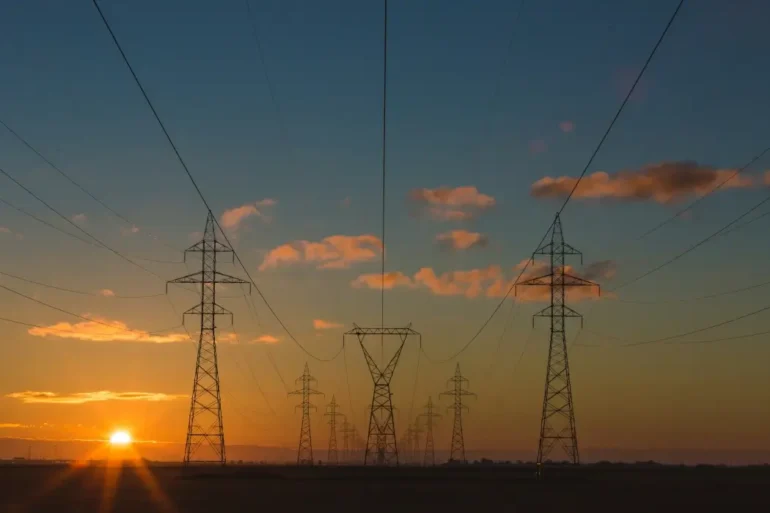
Feature image courtesy Unsplash. Photo by Matthew Henry.