
Feds reveal breakdown of $750-million VC funding envelope, open Growth VCCI applications
Two programs total $1.75-billion boost to Canadian venture capital ecosystem.



Two programs total $1.75-billion boost to Canadian venture capital ecosystem.
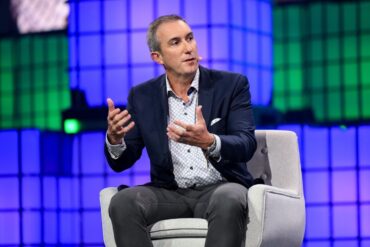
Developers using 1Password to deploy agents have helped the Toronto tech firm expedite its growth.

Long-serving VentureLab executive Sep Assadian has stepped in as interim replacement.

Kitchener-Waterloo software firm says majority secondary $27-million USD round “isn’t a venture investment.”
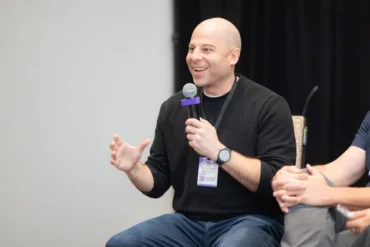
St. Germaine comes aboard as Vancouver-based Raven gears up to raise another fund.

Parakhin, who helped Shopify “level up” in engineering and ML, is transitioning to advisor.
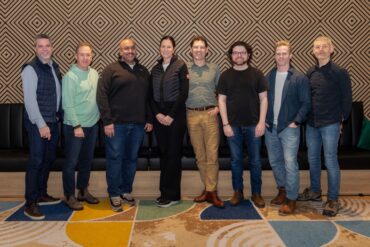
Fund VI will be Inovia’s “first completely AI-native fund” and focus on frontier tech.
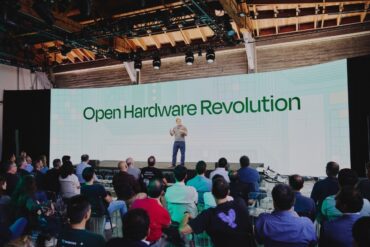
Canadian-founded chipmaker is betting that the future of AI inference is open-source.

Thirdspace’s founders have been tasked with scaling Mecka’s home data capture app.
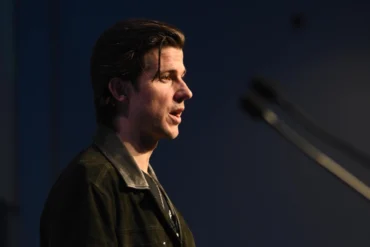
David Wilkin unpacks the startup’s learnings from failed sale to successful outcome at TechExit.
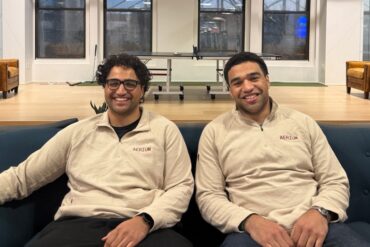
Toronto’s Aerium has set out to build “the next Siemens of the world.”

High school students at Rally sit down with senator to sound off on social media regulation.

Toronto AI homebuilding startup to open its third factory in Phoenix, Arizona.

Plus: Banks likely won’t be part of Real-Time Rail’s first phase.

Hinton Lectures distinguished speaker thinks it might be hard for humanity to prevail against rogue AI systems.