

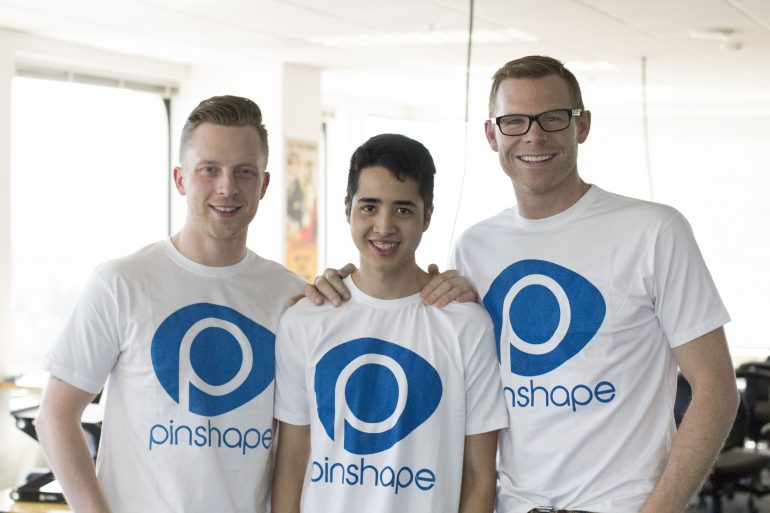
Just like in 3D movies, opportunities for tech startup success can sometimes jump out at companies in unexpected ways. For the last year, the innovative 3D printing design marketplace Pinshape was banking on consistent traction of more than 50 percent growth on average per month from its community, along with impressive engagement by the designer and maker community that would probably make most tech startups jealous (including 90,000 active users and 1,500-plus downloads to their community every day). Still, that dedicated following and passion for their product almost weren’t enough and the 3D community came very close to losing it all.
Now, barely a month after Pinshape announced it was shutting down its platform, citing lower-than-expected support from an unsteady investment community, the firm has found a happy ending: it has been acquired by Formlabs, a leading Boston-based 3D products manufacturer that got its start at MIT. Formlabs may be best known for raising the biggest round of funding ($3 million) through Kickstarter of any tech-crowdfunding venture up to 2012, for an “affordable, professional 3D printer”).
“We exited to Formlabs because they’re best suited to take us to the next level.”
– Lucas Matheson
“Right after we made the announcement, we were contacted by a number of people in the industry and we exited to Formlabs because they’re best suited to take us to the next level,” Pinshape Founder Lucas Matheson says. “Formlabs and the team at Pinshape share a similar approach to the marketplace and we’re excited for opportunities to grow our community.”
Max Lobovsky, co-founder & CEO of Formlabs, echoed Matheson’s enthusiasm. “We’ve been following Pinshape for some time. We’ve been impressed by what Pinshape has built, its collaborative community, and the quality of the community’s work in 3D designs. Formlabs shares with Pinshape the same passion in making sophisticated 3D printing technology widely accessible.”
Reflecting on Pinshape’s success in building a community and reputation in a bleeding-edge industry, Matheson says he’s grateful for the lessons he learned from 500 Startups in learning how to scale a company. “That experience gave us a lot of the tools and strategies early on to deal with some of the challenges we were facing. Of course, there’s no magic bullet. Growing was the result of executing on smaller challenges along the way. One of the things our team did well was hire really talented people – we have a team of eight now and everyone is a first-class employee who has worked tremendously hard to build this ecosystem.”